D
H
M
S
Use the promo code GO26 at checkout
GO26


Everyone knows Stonehenge. It's one of the most photographed, most visited, most debated monuments on earth — and for good reason. But here's something that might surprise you: the UK is home to over a thousand prehistoric stone circles, and some of the most extraordinary ones are places you may never have heard of.
These sites predate writing, predate recorded history, predate almost everything we think of as civilisation. The people who built them left no explanation. They just left the stones. And what archaeologists have uncovered since — about the astronomical knowledge, the communal labour, the long-distance travel, the overlapping purposes — paints a picture of prehistoric Britain that is far stranger, and far more sophisticated, than most people expect.
Here are the stone circles worth seeking out — including a few hiding very close to our own tour routes.
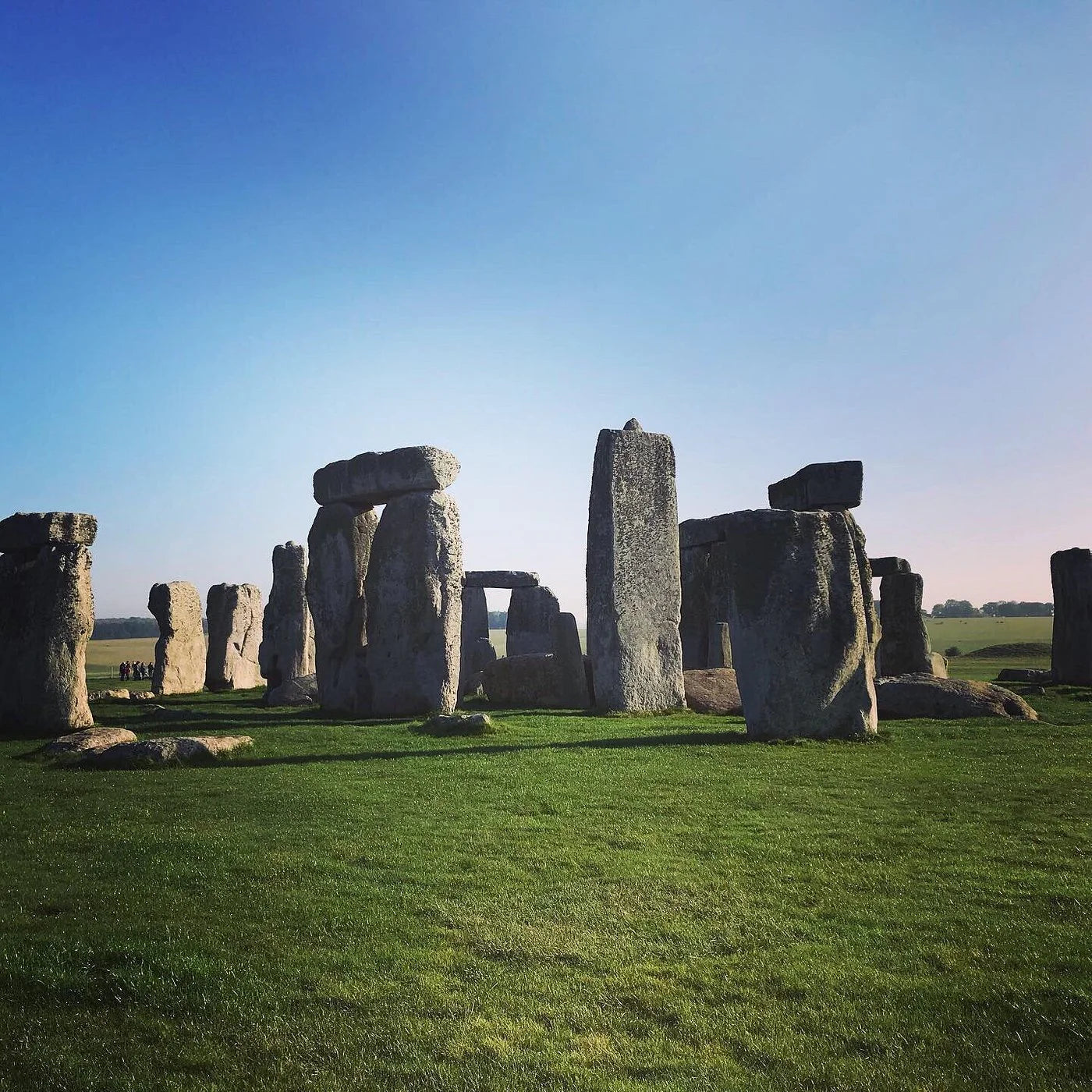
Stonehenge is extraordinary in person in a way that photographs simply don't prepare you for. The scale, the precision of its solar alignment, the sheer audacity of hauling stones from Wales and raising them on Salisbury Plain around 2500 BC — it hits differently when you're actually standing there.
But the story is far more complex than most visitors realise. Recent excavations have revealed centuries of cremated human remains, evidence of pilgrims travelling from as far as the Mediterranean, and signs that the monument was continuously modified across five centuries by communities who felt a profound obligation to keep adding to what their ancestors had begun. Stonehenge wasn't built — it was curated, across generations.
Our Cotswolds, Bath & Stonehenge tour from London includes Stonehenge as a headline stop. It's one of those places that stays with you long after you leave.
Just 25 miles from Stonehenge, Avebury is arguably more impressive in scale — and far less known than it deserves to be. The largest stone circle in Europe, dating to around 2500 BC, with no barriers and no viewing distances. You walk straight in among the megaliths.
The outer henge alone is estimated to have required 1.5 million hours of labour to construct. The nearby Silbury Hill — the tallest prehistoric man-made mound in Europe — took an estimated 18 million hours, and despite extensive excavation, its purpose remains completely unknown. What were these people trying to say? Go and stand in it, and decide for yourself.
There's also a skeleton beneath one of the fallen stones — a medieval barber-surgeon, apparently crushed while helping to topple it. Even Avebury's destruction has a story worth knowing.
Avebury features on both our Cotswolds, Bath & Stonehenge tour from London and our Cotswolds and Stonehenge tour from Bath. It's the stop that tends to catch people completely off guard.
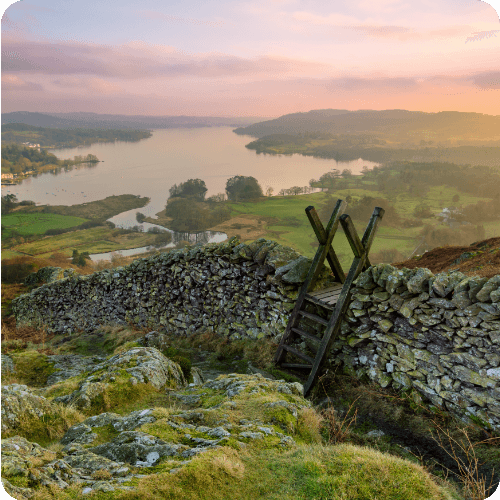
Older than Stonehenge. Older than the pyramids at Giza. Castlerigg sits on a plateau near Keswick, ringed by the Lake District's most dramatic peaks, and on a clear day the views alone are worth the trip.
But look closer and there are deeper questions here. Axe heads and flint tools have been found at the site, suggesting Castlerigg may have been as much a trading post as a temple — a place where communities gathered for commerce as much as ceremony. The sacred and the practical, it turns out, have always coexisted.
If you're joining our York & Lake District tour, Castlerigg is just a short detour from Keswick — and one of those stops that makes an already spectacular trip feel genuinely ancient.
Not far from Chipping Norton — Clarkson's Farm territory — the Rollright Stones are one of England's most overlooked prehistoric complexes. Three distinct formations spanning 1,500 years of use, added to by successive communities who returned here across the generations without, it seems, fully understanding what their predecessors had built.
The folklore that accumulated over the millennia — a king and his men turned to stone by a witch, stones that cannot be counted — tells you something important: long after people forgot what these places meant, they never stopped feeling that they meant something.
The Rollright Stones are just a short drive from our Clarkson's Farm tour and the Cotswolds tour from London routes — ask your guide what else is hiding nearby.
Just 6 miles south of Bath, one of the largest prehistoric complexes in England sits quietly in a Somerset field, visited by a fraction of the people who pass through the city every year.
What ground-penetrating radar revealed beneath Stanton Drew's stone circles in 1997 rewrote the site's history entirely. There's something down there that predates the stones themselves — something that suggests the transition from timber to stone here was not just practical, but deeply symbolic. What that means is still being worked out. Which is exactly why it's worth going.
Remote, windswept, and older than Stonehenge by several centuries, Callanish stands on the Isle of Lewis overlooking the Atlantic. Its alignment with the 18.6-year lunar cycle — a pattern no single human life would allow them to witness more than a handful of times — implies a culture of multigenerational observation and knowledge that most people never associate with prehistoric Britain.
The stones were buried in peat for millennia, which is why they survived. They were only excavated in the 19th century, emerging as if waking up. Go and stand among them and try to imagine what it took to build something this precise, this intentional, this permanent.
Our Loch Ness & Glenfinnan Viaduct tour from Edinburgh won't get you all the way to Lewis — but it will get you into the kind of landscape that makes you want to keep going north.
Around 1500 BC, the building of new stone circles simply stopped. We don't know why. The circles weren't destroyed — they were just left. And then the world grew up around them, layer by layer, until the stones that were once at the centre of everything became a curiosity at the edge of a field.
Most of them are free to visit. Most are surprisingly uncrowded. All of them are sitting in landscapes worth seeing in their own right. The stones are still there. You just have to go and find them.
Browse all our UK tours and start planning.